Hi everyone! I’m working on a few essays that I’ll upload very soon, but in the interim, here’s the first half of a list of books, in no particular order, that I’ve loved and savored so far in 2015.
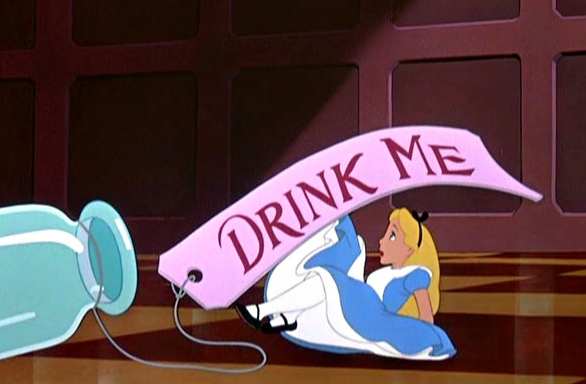
Alice in Wonderland effect : click on the green words in this blog and you’ll be directed to interesting and pertinent links!! I’ll gently remind you of this as we go along!
(1) “Americanah” by Chimamanda Ngozi Adichie.
Chimamanda Ngozi Adichie’s Ted Talk “The Danger of a Single Story” is one of my favorite talks of all time. In it, she uses the idea that there are many stories about any given person or place, to demonstrate the power and limitations of stereotypes.
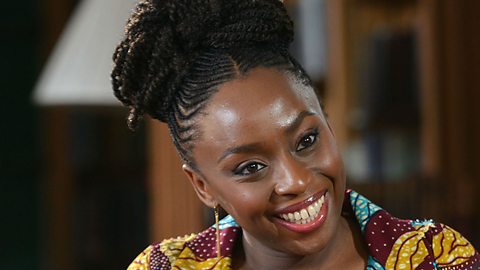
As she illustrates beautifully, if we acknowledge and focus on only one story about a person or place, our understanding will be constricted by that knowledge.
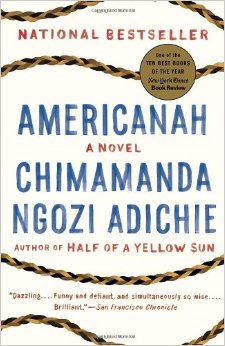
This year , I read and loved “Americanah”. It has many very memorable and well-etched characters, including but not limited to, the protagonists, Ifemelu and Obinze.
Jeff VanDerMeer’s website wonderbooknow.com, which is incidentally a companion site to another one of my favorite reads this year – Wonderbook – cites “Americanah” as a good book to appreciate the writing technique of intercutting different points of view.
Here’s the actual post, with numerous examples from each chapter. (Warning : Some spoilers too, though he does warn you and does try to be careful about giving too much away! )
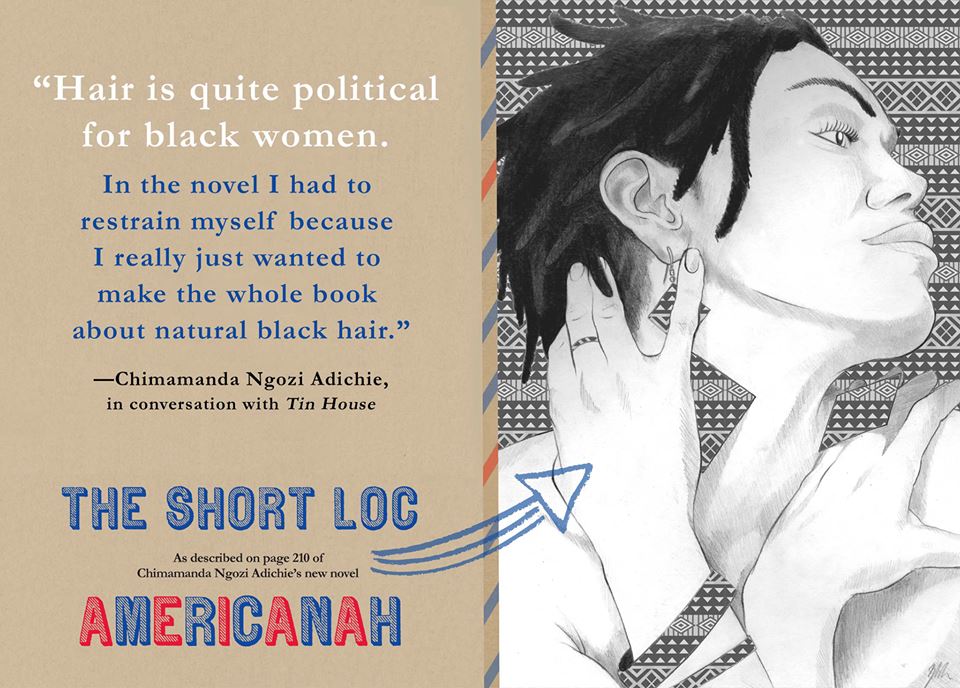
Click on the green words above, and you’ll be directed to a blog which Chimamanda Ngozi Adichie launched to continue Ifemelu’s blog from the book! This particular blog blends fiction and references to characters in Americanah with the realities of Nigerian life.
(2) “Bad Feminist” by Roxane Gay
Click on the words, the link has both, the talk, and the transcript!!
“Bad Feminist” is a collection of essays by Roxane Gay . The essays have been grouped under four sections : Me, Gender and Sexuality, Race and Entertainment, Politics, Gender and Race, and Back to Me.
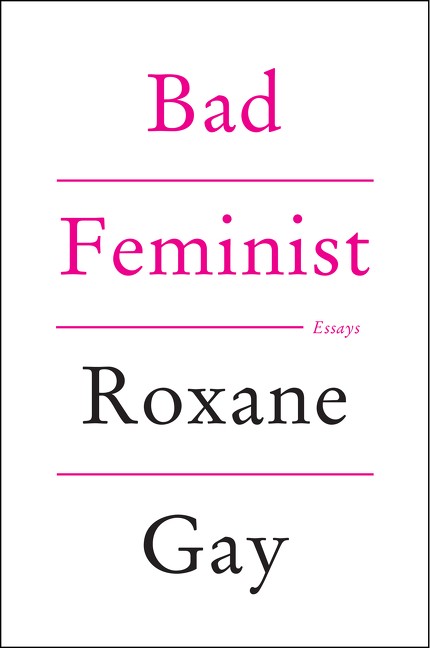
She is an extremely sharp thinker and a discerning observer of culture. I particularly loved her essay “The Trouble with Prince Charming or He who Trespassed Against Us”, previously published in The Rumpus.
She speaks very clearly about subjects, and I often find myself wanting to hear her opinion about various pop culture phenomena that have not been discussed in her book.
She is one of the writers who has encouraged me to ask questions such as “ What is this movie/book/song really saying about gender relations, about women, about the female experience, about diversity, about difference?” “Is this movie/book/song using its characters to perpetuate stereotypes?”
(3) Department of Speculation by Jenny Offill
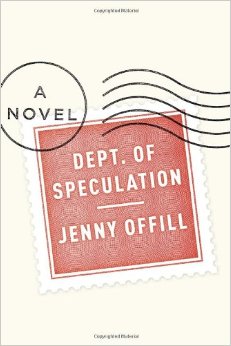
Poetic, sensitive, gorgeous.
There’s the bare bones of a story , the what happened to whom when and where, and there’s the manner in which a writer decides to tell it.
How a story is told is as vital as the story itself.
This book illustrates and reinforces the power, the weight, the importance of words, and how they are used.
Jenny Offill is writing about experiences that are complex, emotionally layered, deeply personal, and in some ways and at some times, beyond words. Her narrative style struck me as being very poetic because just as poems use imagery and the abstract to create and describe an experience that is visceral, whose meaning cannot be completely captured by traditional prose, so does this novel. It uses a fragmented structure and seemingly random but of course thoughtfully chosen factoids about nature and the cosmos, to tell the story of a marriage.
Roxane Gay (see book no.2 described above) reviewed “Dept. of Speculation”in the Sunday Times.
(4) Citizen by Claudia Rankine
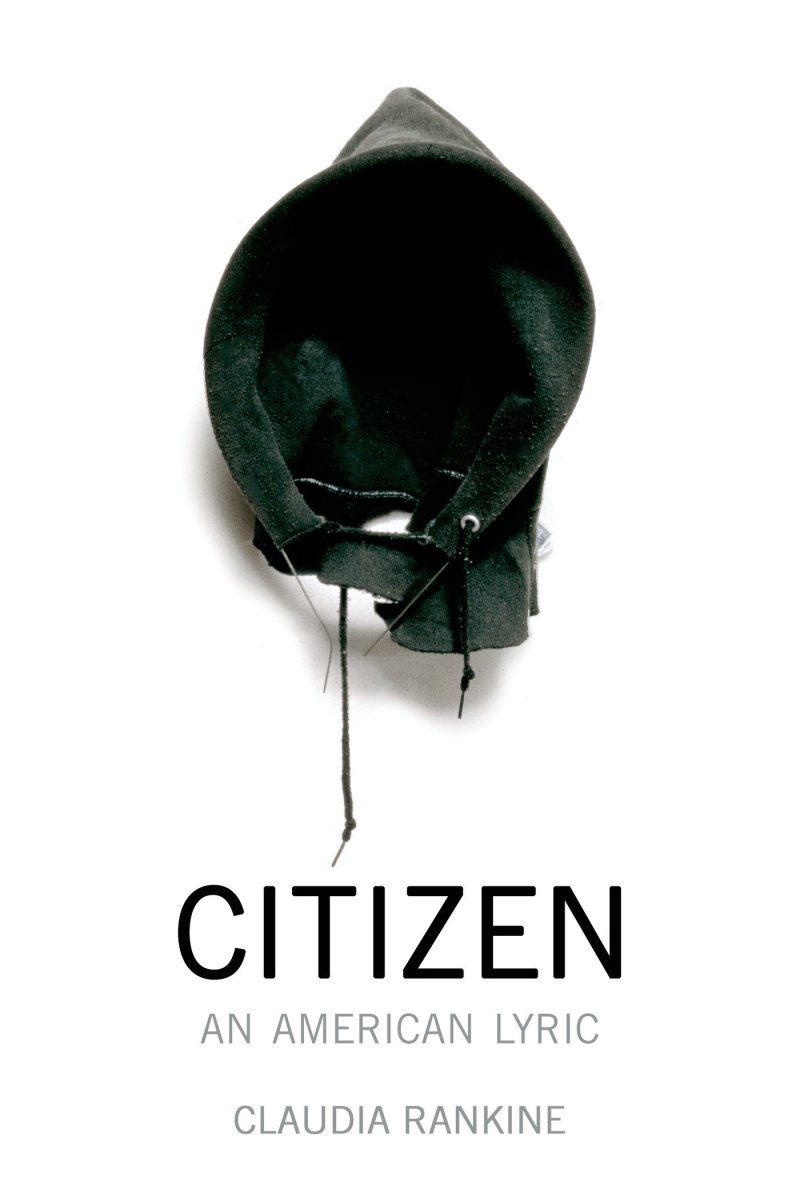
This is a slim volume that is deeply saddening and troubling. It is timeless in what it addresses, and timely in its publication.
This collection of prose poems, essays and poetry, explores the inescapability of racism and its far reaching effects.
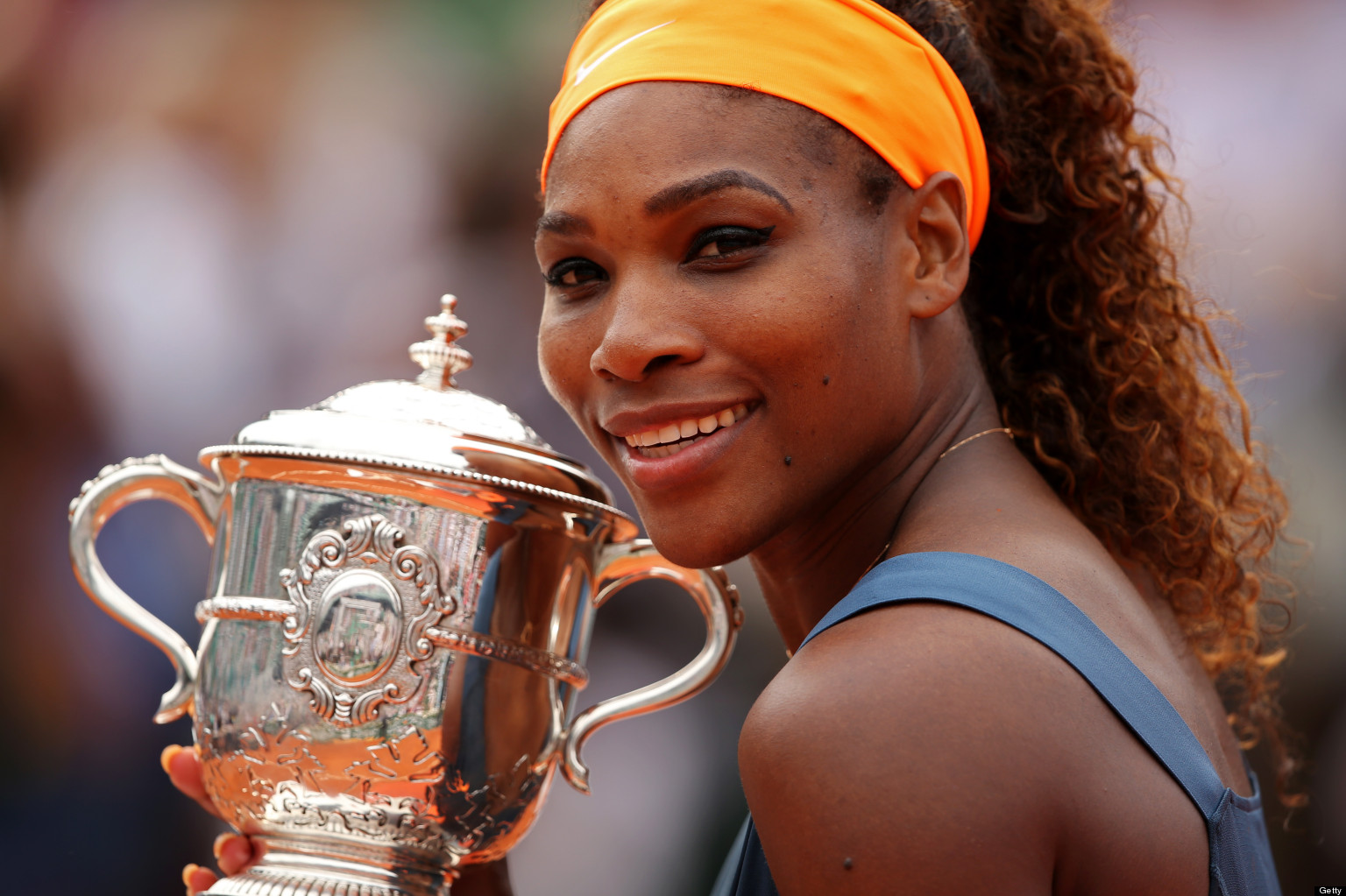
The essay on Serena Williams, and the overt and covert racism that she has faced all along and continues to face, is brilliant.
Read this book to be enlightened, angered, disturbed, and moved to tears.
(5) Dataclysm by Christian Rudder
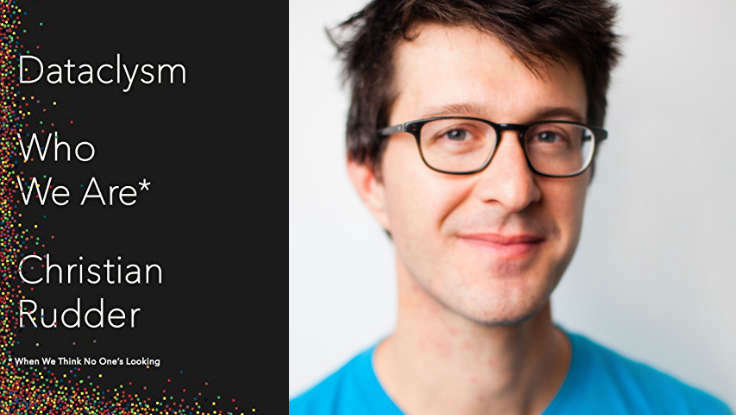
This is a book that changed the way I look at the digital age and the Internet. It would be a disservice to this book to paraphrase it, as there is so much mind blowing insight it has to offer that goes far beyond its gist.
In the interest of telling you a little bit about it : Christian Rudder is one of the founding members of OkCupid. He noticed the emergence of numerous statistical trends as he analysed the site’s enormous data bank. Dataclysm talks about how the Internet is a mirror that shows us who we are as people, because it is a gigantic data bank of preferences, “likes”, tweets, statuses, searches. He uses examples from his own research as well as research published by others, to substantiate this: the Internet can tell us who we are by revealing to us our biases, our tastes, our values.
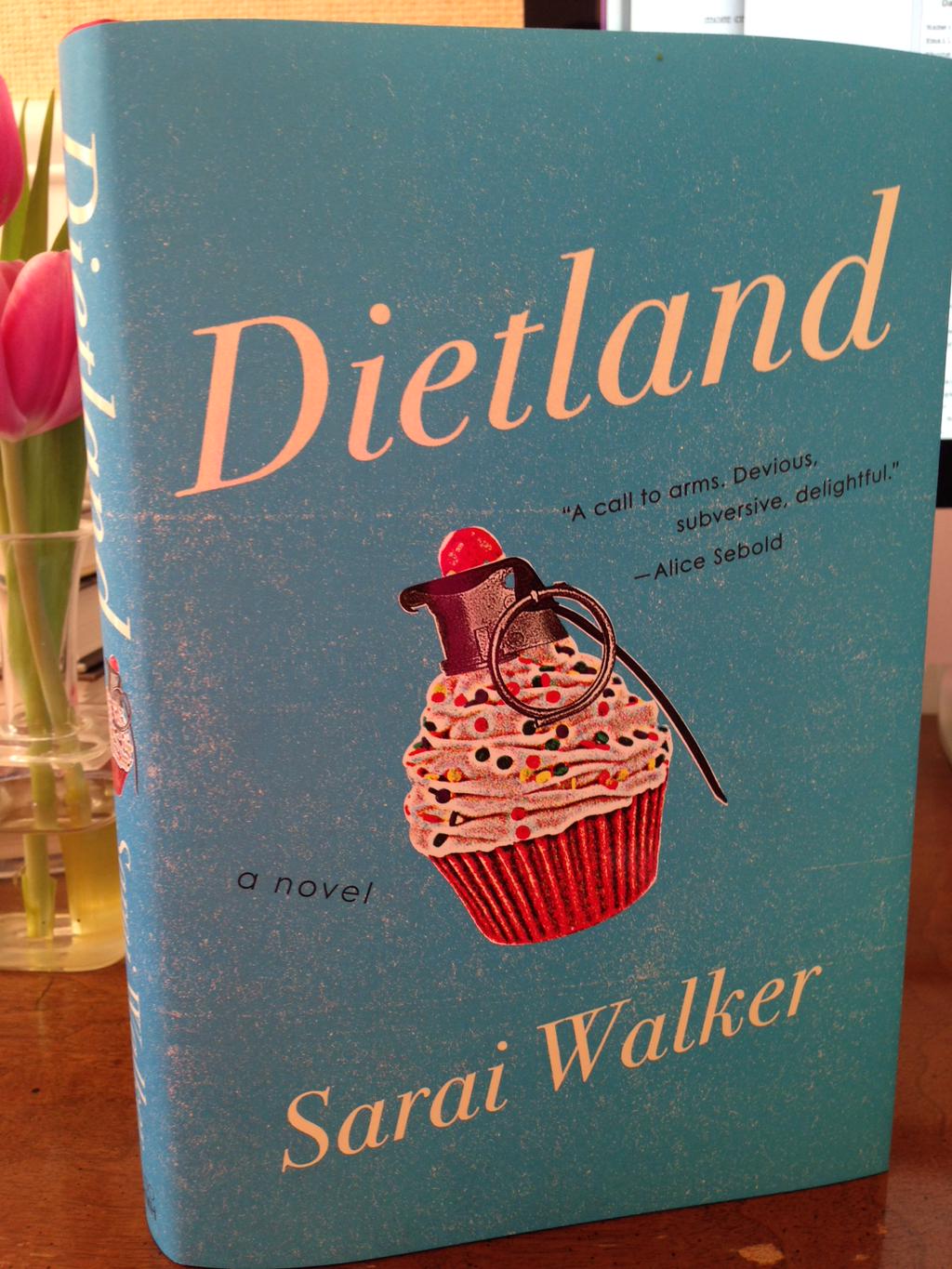
(6) Dietland by Sarai Walker
Every book on this list deserves a blog post of its own. I will surely discuss this book, both on my YouTube channel, and in another blog post, because it explores body image and what it means to be fat in our society.
Sarai Walker talks about reclaiming the word “fat” in this NPR interview.
It’s a short interview which makes some very trenchant points about body image, fat-shaming, and obesity.
Sarai Walker is a writer and professor, whose Ph.D research focused on normative femininity of the body, and the fat female body.
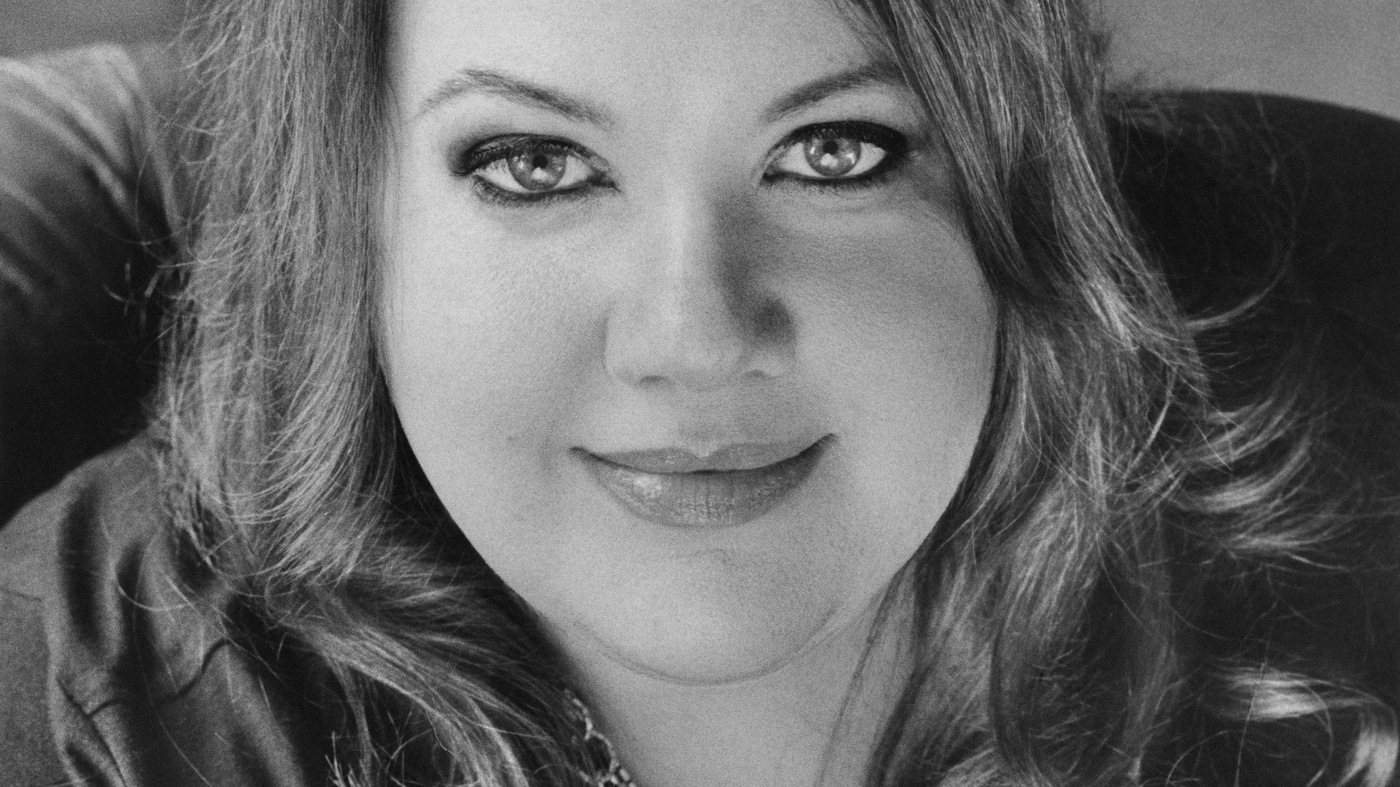
The protagonist in Dietland is a fat woman who has struggled with desperately wanting, trying, and ultimately failing to be thin for years. The book itself is a subversive feminist fantasy about rejecting violence against women.
It broadens the definition of violence to include not only that which we are accustomed to think of as obviously brutal , but also, the oppression of forcing women to shrink, to constrict, to be encased for the purposes of satisfying the gaze of men.
That’s all for now, folks! To be continued…
Well written blog Shruti. You are so in tune what what you read, and provide thought provoking insights and commentary while peaking interest and the desire to go beyond your impression and to read the books. Well done!!!
Awww I just saw this, Mike!! Thank you so much!!! You are so sweet!!!!
Amazed at the wide range of books read.will savour every word and comment!